 AUS
 USA


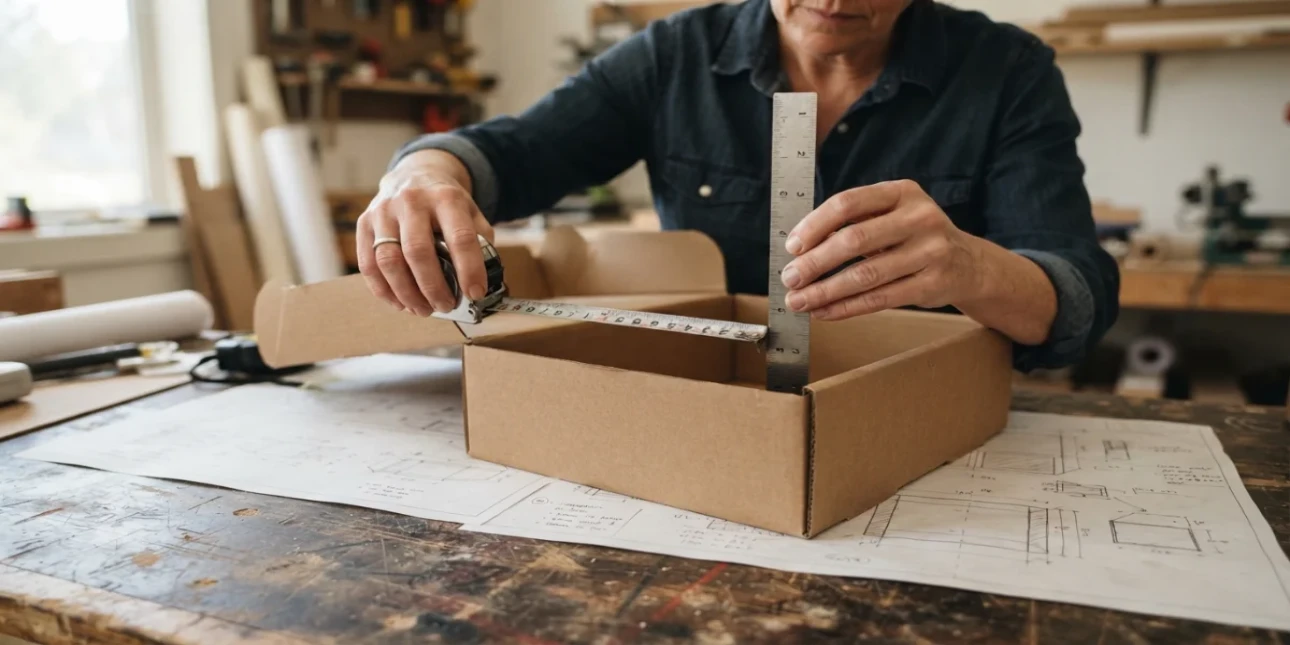
To choose the right custom box size, measure your product's length, width and height, then add space on each side. Allow about 2–5 mm for a snug retail fit, 5–10 mm for general use, and more if you add an insert or padding. Then give the supplier the inside size in the order length × width × height.
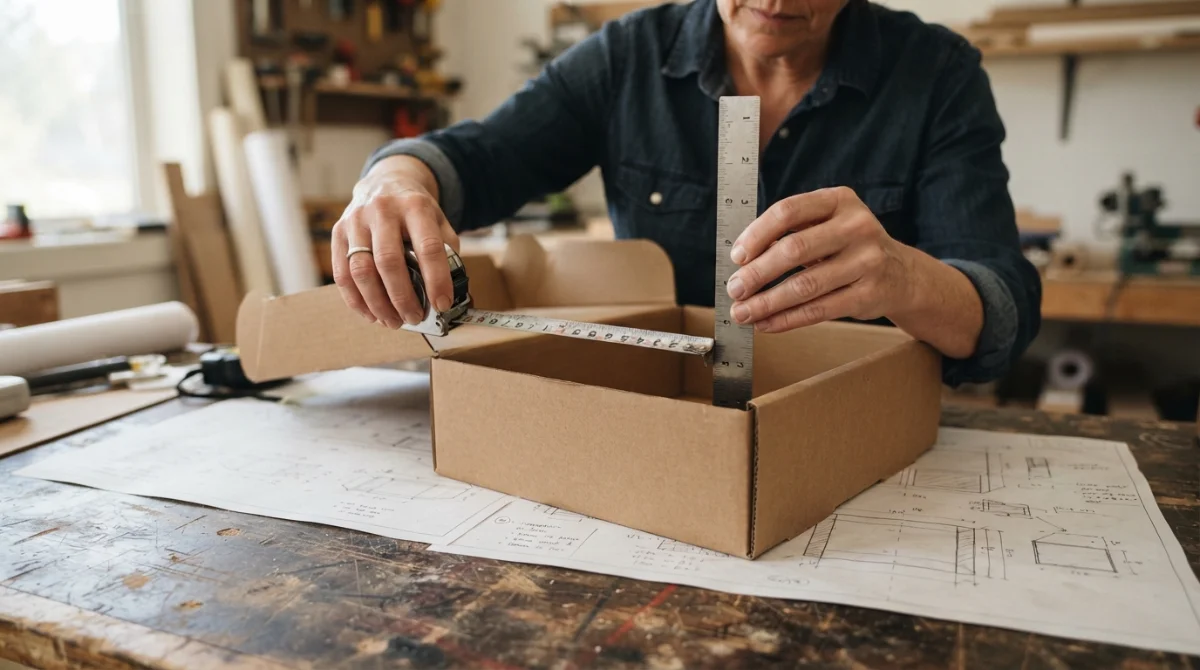
The custom box size you choose affects almost everything: how well the product travels, what the box costs, how much space it takes and what you pay to post it. This guide shows you how to get the size right first time. If you need help with the measuring itself, read our guide on how to measure box dimensions. And if you're still choosing a style, browse our custom boxes.
Inside vs outside: which custom box size to give
Packaging suppliers usually work from inside dimensions, which is the space your product needs. Outside dimensions are a little bigger because of the board. For thin cardstock the gap is tiny, but for corrugated or rigid board it matters. So if the box must fit into a shipper, a shelf or a letterbox, tell your supplier the outside limit too.
How to read L × W × H
- Length (L): the longer side of the opening.
- Width (W): the shorter side of the opening.
- Height (H): the depth from the opening down to the base.
The order matters. For example, 150 × 100 × 50 mm opens on its largest face, while 150 × 50 × 100 mm opens on a narrow end. Get the order wrong and the box opens on the wrong side.
How much space to add to your custom box size
| Packing method | Space to add | Notes |
|---|---|---|
| Snug retail fit | 2–5 mm per side | The product slides in without forcing |
| General use | 5–10 mm per side | A safe default for most products |
| With tissue paper | 5–10 mm per side | Room to wrap without bulging |
| With a card or foam insert | Insert thickness plus 2–3 mm | Design the box around the insert |
| Shipping with cushioning | 20–50 mm per side | Room for paper or padding |
These are starting points, not fixed rules. In practice, a 3D mock-up or a physical sample is the best way to check the fit before a full order.
Match board strength to weight
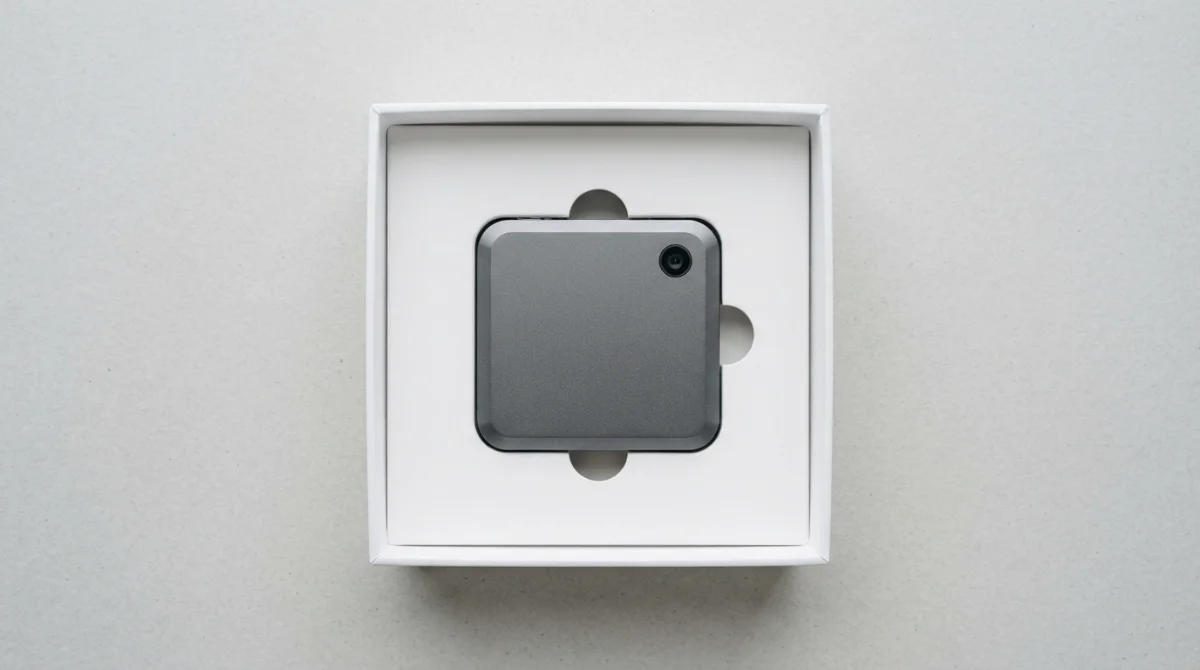
Size and strength go together. Light products such as cosmetics or soap suit folding cartons. Heavier or fragile items need corrugated board, and very heavy goods may need double-wall or even triple-wall board. For premium items, rigid board keeps its shape, but it still needs an outer mailer for the post. See our rigid boxes for examples.
Common starting sizes by product
Every product differs, so treat these as rough starting points to discuss with us. They are not standard sizes, but they will help you start the conversation.
| Product | Rough starting size (L × W × H) |
|---|---|
| Lipstick | About 25 × 25 × 85 mm |
| Perfume bottle (50 ml) | About 60 × 45 × 120 mm |
| Medium jar candle | About 90 × 90 × 100 mm |
| Soap bar | About 95 × 65 × 30 mm |
| Ring box | About 50 × 50 × 40 mm |
| T-shirt mailer | About 250 × 200 × 50 mm |
| Small e-commerce mailer | About 220 × 160 × 80 mm |
How custom box size affects postage
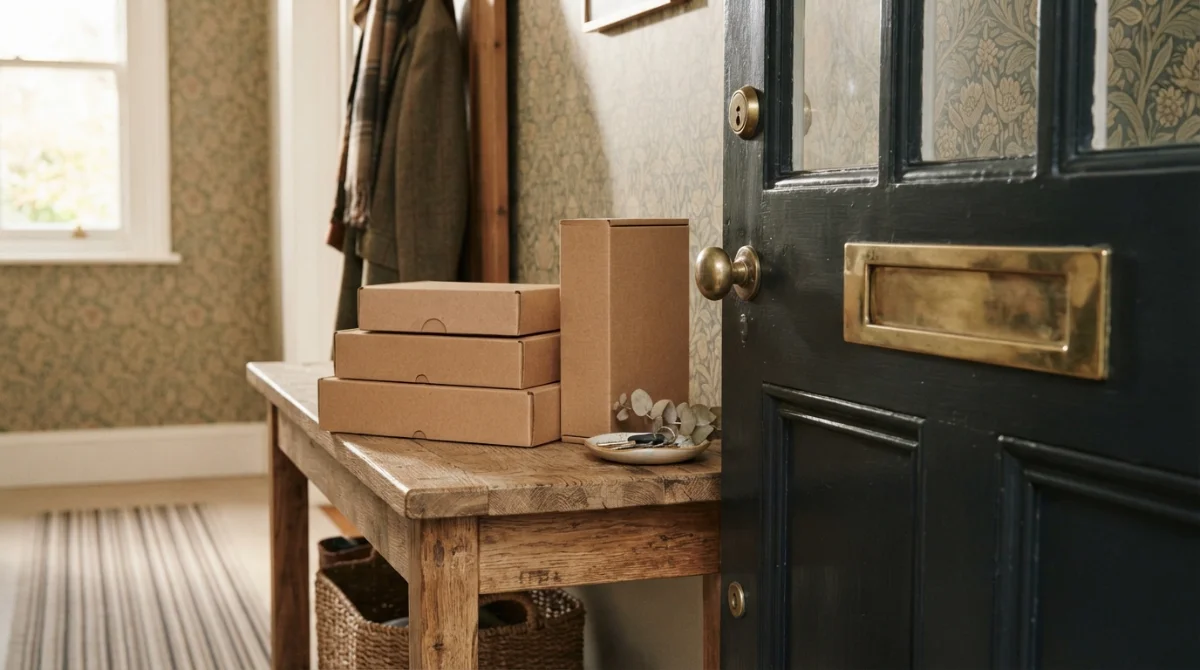
Couriers and Royal Mail price parcels by size and weight, so a few millimetres can move you into a dearer band. For example, a Royal Mail Large Letter can be up to 353 × 250 × 25 mm and 750 g. A Small Parcel, meanwhile, can be up to 450 × 350 × 160 mm and 2 kg. Remember these are outside sizes, and check the latest limits on the Royal Mail website. For e-commerce sizes, see our mailer boxes.
Mistakes that lead to the wrong size
- Measuring the product without its cap, pump or lid.
- Giving outside sizes when the supplier expects inside sizes.
- Mixing up the order of length, width and height.
- Forgetting the thickness of the insert or padding.
- Using one box for products that vary a lot, so smaller ones rattle.
Custom box size checklist
- First, measure at the widest, longest and tallest points.
- Then decide on the insert, tissue or padding.
- Write the inside size as length × width × height.
- Note any outside limit, such as shelf space or a letterbox.
- Ask for a flat proof and a 3D mock-up.
- Order a physical sample when fit is critical, such as for glass.
At Creative Boxes, every box is made to your exact size, with no minimum order. Our team checks your measurements, and then you get a flat proof and a 3D mock-up before production, with a physical sample on request. Design help and UK shipping are free, and production takes 4–8 business days after artwork approval. Request a free quote with your product sizes.
Frequently asked questions
Should I give inside or outside dimensions for a custom box size?
Give inside dimensions, which is the space your product needs. Then mention any outside limit separately.
In what order are box dimensions written?
Length × width × height. Length and width describe the opening, while height is the depth to the base.
How much bigger than my product should a custom box be?
About 2–5 mm per side for a snug retail fit, or 5–10 mm for general use. Allow more for inserts or padding.
Does custom box size affect shipping cost?
Yes. Couriers price by size and weight, so a smaller box can drop a parcel into a cheaper band.
Can I get a sample to check the custom box size?
Yes. Creative Boxes provides a flat proof and a 3D mock-up, and a physical sample on request.


